
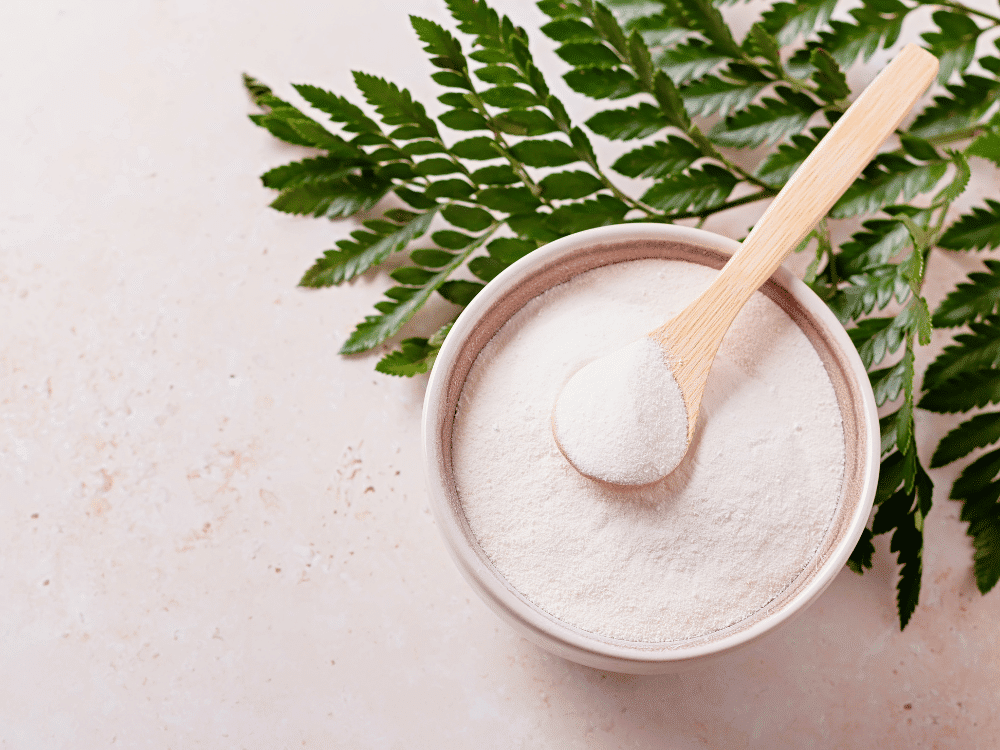
Collagen, that magical protein that makes up a key part of our body, has become a real star in the world of health and beauty. For many, collagen is a natural ally in maintaining health and vitality, and it's no wonder why. This indispensable protein, present in our organism, plays a key role in maintaining the integrity of our tissues, skin, bones, joints and many other vital organs.
Our collagen story begins deep within our skin. As the most abundant protein in the dermis, collagen makes the skin firm and elastic. However, as we age, our ability to produce collagen decreases, which can result in wrinkles, dryness and sagging skin. But that's where beef gelatin comes in, one of the richest sources of collagen. Through a diet enriched with this natural protein, we can support skin regeneration and preserve its youthful appearance.
Collagen is not only important for beauty, but also for internal health. It forms the basic component of cartilage and connective tissue in our joints, thus contributing to their mobility and preventing damage. In addition, collagen plays a key role in maintaining the health of hair, nails, bones and muscles.
In this blog, we will delve deeper into the world of collagen and beef gelatin as the source of this magical protein. We will discover how collagen affects our health and vitality, and how we can incorporate it into our daily diet to maintain a youthful appearance and inner well-being. Find out why collagen has become an essential part of many healthy eating regimes and why it is so important to all of us who want to stay vital and healthy through all stages of life.
How does collagen work? The role of this protein in our body
Collagen is a key protein in our body that plays a crucial role in maintaining the integrity and functionality of various tissues and organs. As the most abundant structural protein in the human body, collagen accounts for about 30% of the total protein in the body. Its presence is necessary for numerous biological processes and functions.
One of the most important roles of collagen is to support skin health. It forms a key component of the dermis, the bottom layer of the skin, making it firm and elastic. Collagen helps maintain skin hydration and elasticity, which reduces the appearance of wrinkles and contributes to a healthy, youthful appearance.
In addition, collagen is vital for bone and joint health. It is the main component of bones, providing them with strength and structure. It is also present in cartilage, the connective tissue that lines the joints, allowing them to slide smoothly and absorb shock. A lack of collagen can lead to joint and bone problems, including osteoarthritis.
Collagen also plays a key role in maintaining the health of muscles, tendons and ligaments. These tissues rely on collagen to maintain strength and flexibility. When present in sufficient amounts, collagen can help prevent injury and preserve the musculoskeletal system.
Basically, collagen can be thought of as the "glue" that holds our bodies together. Its ability to restore and maintain various structures in our organism makes it a key factor for maintaining health and vitality. This is why many people consider collagen supplementation to support their bodies in maintaining a youthful appearance and inner well-being over time.
Types of collagen and their impact on health
Different types of collagen play key roles in keeping different parts of the body healthy. There are more than 20 different types of collagen, but the most important for our body are type I, type II and type III collagen.
Type I collagen is the most abundant type and forms the basis of skin, bones, tendons, ligaments and the cornea of the eye. This type of collagen helps maintain skin firmness and elasticity, preventing wrinkles and supporting the integrity of bones and joints.
Type II collagen is specific for cartilage. It is found in the cartilages of the joints and the disc of the spine, providing them with softness and flexibility. Type II collagen supplements are often used to support joint health and treat problems like osteoarthritis.
Type III collagen is also found in the skin, but often binds to blood vessels and internal organs. This type of collagen contributes to the strength of arteries and organs such as the heart, lungs and intestines.
Each of these types of collagen has its own specific role in maintaining the health of different parts of the body. The combination of different types of collagen provides complete support to the body. Through proper nutrition and food supplements that contain the appropriate types of collagen, we can maintain the health and vitality of the skin, bones, joints and internal organs.

How to Get More Collagen in Your Diet - Best Foods and Supplements
Getting enough collagen in the diet can significantly contribute to maintaining the health and vitality of the body. Here are some ways you can increase your collagen intake through foods and supplements.
Foods rich in collagen
Beef gelatin
Beef gelatin is one of the richest sources of collagen. You can use it to prepare jellies, puddings or add to soups and sauces to increase your collagen intake.
Chicken skin
Chicken skin also contains collagen. When preparing the chicken, leave the skin on, or use it to prepare a crispy snack.
Fish skin
The skin of fish, such as salmon or trout, also contains collagen. Grill or bake fish with the skin on to increase your intake of this protein.
Bone broth
Making beef or chicken bone broth can be a great way to get collagen. Broth can be used as a base for soups, stews and various dishes.
Fruits and vegetables rich in vitamin C
Vitamin C helps the body synthesize collagen. Add more citrus fruits, strawberries, peppers and broccoli to your diet to support collagen production.
Collagen supplements
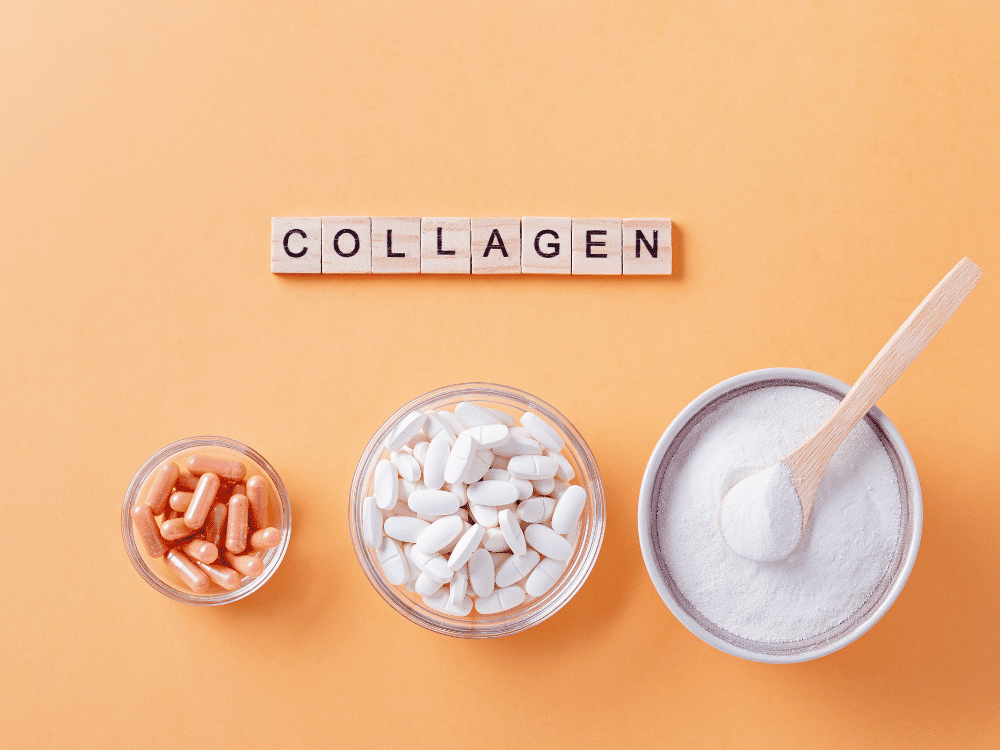
Along with getting collagen through food, you can also consider collagen supplements. There are several types of supplements, including:
Hydrolyzed collagen
This form of collagen is easily absorbed and is often used to improve skin, hair and nail health.
Type II collagen
Specific to cartilage and joints, this type of collagen is used to preserve joints and prevent osteoarthritis.
Type III collagen
This type of collagen supports the health of internal organs and arteries.
It is important to note that the intake of collagen through diet and supplements can contribute to maintaining the health of the skin, bones, joints and other tissues.
A combination of different sources of collagen and a balanced diet will provide the best results for maintaining health and vitality throughout life.

The scientifically proven benefits of beef gelatin: What the studies say
Scientific research is increasingly confirming different benefits of beef gelatin in preserving health and vitality. This natural source of collagen and other nutrients is attracting the attention of researchers and nutritionists. Here are some key takeaways from the beef gelatin study:
Skin health
Research has shown that the intake of beef gelatin can contribute to improving the hydration and elasticity of the skin. As a source of collagen, bovine gelatin supports skin renewal and reduces the appearance of wrinkles. In addition, studies have suggested that regular consumption of beef gelatin can help alleviate the symptoms of various dermatological problems, including acne and eczema.
Joint health
Bovine gelatin is rich in type II collagen, which is crucial for the health of cartilage in joints. Some research has shown that adding beef gelatin to the diet can help reduce joint pain and inflammation, which is especially beneficial for people suffering from osteoarthritis.
Muscle support
Bovine gelatin contains essential amino acids that are important for maintaining muscle mass. Studies have suggested that beef gelatin intake may contribute to increased muscle mass and strength, especially in the elderly.
Digestive health
Bovine gelatin can help maintain the health of the digestive tract. Research has shown that gelatin can support a healthy balance of intestinal flora and can also have a beneficial effect on the health of the intestinal mucosa.
Quality nutrition
Bovine gelatin is a source of essential amino acids and other nutrients, including glycine, proline, and hydroxyproline. These ingredients play a key role in numerous metabolic processes and can support overall health.
Although studies have shown many potential benefits of beef gelatin, it is important to note that results can vary between individuals, and diet and lifestyle also play a key role. Before adding beef gelatin to your diet, it is recommended that you consult with a nutritionist or physician to ensure that it is appropriate for your health and vitality needs and goals.
Collagen and beauty: Healthy complexion, shiny hair and strong nails
Collagen plays a key role in maintaining the beauty of the body, influencing a healthy complexion, shiny hair and strong nails. Through its presence in the skin, collagen ensures its firm and elastic appearance. Here's how collagen contributes to beauty enhancement:
1. Healthy complexion
Collagen is the main component of the dermis, the layer of skin below the surface, which gives the skin firmness and elasticity. As we age, collagen production decreases, which can lead to wrinkles, fine lines, and sagging skin. Input collagen through diet or supplements can help restore and hydrate the skin, thus preserving a youthful appearance and reducing the appearance of aging.
2. Shiny hair
Hair is made up mainly of keratin, a protein that also contains collagen. The absence of collagen can result in weak, dry and brittle hair. A good collagen intake can support hair growth and contribute to its healthy appearance, making it stronger and shinier.
3. Strong nails
Nails are also made of keratin, and collagen plays an important role in keeping them firm. A lack of collagen can lead to brittle nails and easy cracking. Regular intake of collagen can help strengthen nails and preserve their beauty.
A combination of proper nutrition, hydration and nutritional supplements containing collagen can contribute to improving the body's beauty from the inside out. It is important to note that the results are not instant, but are achieved gradually over time. In addition, collagen not only contributes to the external appearance but also supports the health of internal tissues and organs, making it crucial for the body's overall well-being.
Collagen and anti-aging: How to preserve a youthful appearance for longer
Collagen plays an important role in fighting the aging process and preserving a youthful appearance for longer. As we age, our body's collagen production gradually declines, which can result in wrinkles, loss of skin elasticity, and other signs of aging. However, there are ways collagen can help maintain a youthful appearance:
Reduction of wrinkles and fine lines
Collagen is essential for maintaining the firmness and elasticity of the skin. Adding collagen to your diet or using collagen products can help reduce the appearance of wrinkles and fine lines, making your skin look smoother and younger.
Improving hydration
Collagen also plays a key role in keeping the skin hydrated. Hydrated skin looks fresher and younger. Getting enough water and adding collagen to your diet can help keep your skin optimally hydrated.
Healthy hair and nails
Collagen supports healthy hair growth and stronger nails. A lack of collagen can lead to hair problems such as breakage and loss of volume. Collagen intake can improve the health of hair and nails, making them stronger and shinier.
Healthy joints
As we age, joints become more susceptible to damage and pain. Type II collagen is especially important for the health of the cartilage in the joints. Supplementing with type II collagen can help preserve joint mobility and reduce pain.
Internal health
Collagen is not only important for external appearance but also for internal health. It supports the health of arteries, organs and muscles, which can contribute to an overall feeling of vitality and energy.
Collagen and hormonal balance: Impact on women's health
Collagen is a protein substance that is often associated with the beauty and health of skin, bones and joints, but its influence on hormonal balance and women's health is also essential. Hormonal balance plays a key role in a woman's body, affecting various aspects of life, including the menstrual cycle, reproductive health and menopause. Here's how collagen can affect hormonal balance and women's health:
Healthy skin and collagen
Collagen is present in the skin and plays a key role in its maintenance. During aging, collagen levels decline, which can affect skin elasticity and hydration. Hormonal changes, such as menopause, can also contribute to a decrease in collagen in the skin. Adding collagen to your diet can help maintain healthy skin during hormonal changes.
Bone health
Hormones, especially estrogen, play a key role in maintaining bone density in women. After menopause, estrogen levels decline, which can lead to a loss of bone mineral density and an increased risk of osteoporosis. Collagen, as an important component of bones, can support bone health and reduce the risk of fractures.
Health of reproductive organs
Collagen is also present in the reproductive organs, including the uterus and vagina. Changes in collagen levels in these organs can affect the health and function of the reproductive system. Maintaining the health of collagen can contribute to the health of the reproductive organs.
Menstrual cycle
Hormones play a key role in regulating the menstrual cycle. A healthy endocrine system, supported by an adequate intake of nutrients, including collagen, can help maintain a regular cycle.
Recipes for healthy treats with collagen: Tasty and useful
Healthy treats with added collagen can be a great way to satisfy your sweet tooth while supporting your health and beauty from the inside out. Here are some delicious and healthy recipes that include collagen:

1. Collagen smoothie with blueberries:
Ingredients:
- 1 cup frozen blueberries
- 1 cup almond milk
- 1 tablespoon honey
- 1 tablespoon collagen powder
- 1/2 teaspoon vanillin extract
Instructions:
In a blender, combine all ingredients and blend until smooth. Serve immediately.
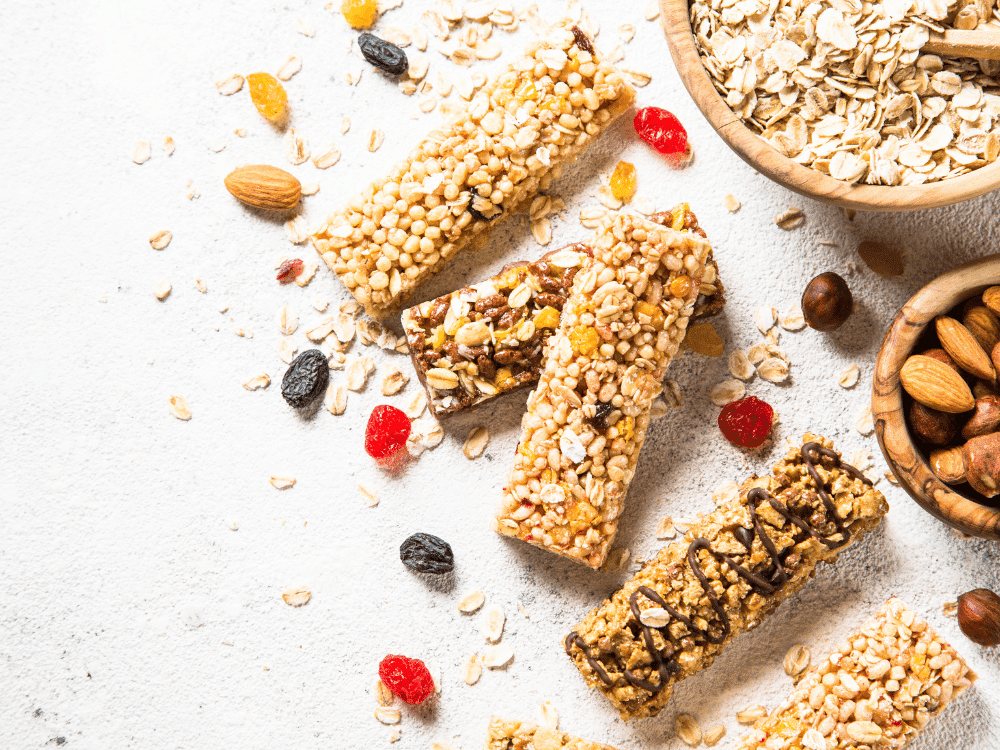
2. Collagen protein bars:
Ingredients:
- 1 cup of oatmeal
- 1/2 cup peanut butter
- 1/3 cup honey
- 1/4 cup collagen powder
- 1/4 cup chopped walnuts
- 1/4 cup chopped dried cranberries
Instructions:
In a large bowl, combine the oatmeal, collagen powder, walnuts, and dried cranberries.
In a small saucepan, over medium heat, melt the peanut butter and honey, stirring constantly until the mixture is runny.
Pour the liquid mixture over the dry ingredients and mix well.
Press the mixture into a tray lined with baking paper and leave to cool. After it has set, cut it into sticks or cubes.

3. Collagen fruit yogurt:
Ingredients:
- 1 cup Greek yogurt
- 1 tablespoon honey
- 1 tablespoon collagen powder
- Seasonal fruit of your choice (blackberries, strawberries, raspberries)
Instructions:
In a bowl, mix Greek yogurt, honey and collagen powder until smooth.
Serve in bowls and sprinkle seasonal fruit on top.
These recipes are just the beginning of a creative approach to adding collagen to your diet. You can experiment with different ingredients and combinations to create treats that suit you best. It's important to note that collagen powder can easily be added to a variety of foods and beverages to support the health of your skin, bones, joints, and other tissues. Enjoy delicious treats and take care of your health and beauty at the same time.
Tips for the proper use of collagen supplements
Proper use of collagen supplements is key to reaping the maximum benefits for your health and beauty. Here are some tips on how to achieve this:
Consultation with an expert
Before taking any supplement, including collagen, it is recommended that you consult with a nutritionist or physician. They will be able to assess whether collagen is suitable for your needs and give you advice on dosage.
Choosing the right type of collagen
There are different types of collagen, each with specific health benefits. For example, type I collagen is common in the skin, and type II collagen is important for joint health. Choosing the right type of collagen for your needs can be crucial.
Dosage
Follow package directions or your nutritionist or doctor's dosage recommendations. Taking too many supplements can be harmful, so stick to the recommended daily dosages.
Continuity
Collagen does not give instant results, so be patient. Continued use of collagen supplements may yield better results over time.
Proper storage
Store supplements in a cool, dry place, out of direct sunlight. Proper storage will preserve the quality of the supplements.
Combination with diet
Collagen supplements are best absorbed with a meal. You can combine them with meals or drinks, such as a collagen smoothie or fruit yogurt.
In conclusion, collagen is important for maintaining the health of the skin, bones, joints and other tissues. Proper use of collagen supplements can help improve your overall well-being. However, it's important to consult with a nutritionist or doctor before starting supplementation to ensure it fits your health and beauty needs and goals.





 English