

The Mediterranean diet is much more than just a diet. It originated as an authentic food style that originated as a way of eating for people living along the coast of the Mediterranean Sea. One of the best things about this diet is the variety of foods you can enjoy.
What is the Mediterranean diet?
The Mediterranean diet is not just a diet - it's a way of life. Originating from the Mediterranean coasts of Greece, Spain, Turkey and southern Italy, this diet is based on a rich intake of plant foods, such as vegetables, fruits, nuts, seeds and legumes, with constant use of olive oil as the main source of fat. Along with this base, the Mediterranean diet encourages the consumption of fish and seafood, with the occasional indulgence in red wine.
People who follow this way of eating enjoy better health, suffer less from cardiovascular diseases and chronic diseases, and are less prone to obesity.
Mediterranean Diet - Longevity and Disease Protection (Scientifically Proven)
Several studies have confirmed that the Mediterranean diet contributes to a longer life and reduces the risk of disease. In research published in the journal The New England Journal of Medicine, conducted in Spain on 7447 participants at high cardiovascular risk, participants were followed on three different diets: a Mediterranean diet with olive oil, a Mediterranean diet with nuts, and a reduced-fat diet. The results showed that participants who followed a Mediterranean diet (with added olive oil or nuts) had a lower risk of cardiovascular events, even those at high risk.
Also, British Journal of Cancer published studies showing how a Mediterranean diet can reduce the risk of cancer. For example, women who follow this regimen have as much as a 57% lower risk of uterine cancer, while research by Italian scientists has shown that the Mediterranean diet can reduce the risk of malignant melanoma, the deadliest form of skin cancer.
Is the Mediterranean diet effective for weight loss?
Absolutely! Although the Mediterranean diet is not directly designed as a weight-loss diet, it can help regulate body weight. A focus on healthy fats, whole grains, fruits, vegetables and fish contributes to feelings of satiety and can reduce the need to overeat.
When combined with reduced calorie intake and regular physical activity, the Mediterranean diet can promote weight loss. One study found that participants who restricted their calorie intake and followed a Mediterranean diet were able to not only lose weight, but also maintain it over the long term.
Mediterranean diet foods
What stands out about the Mediterranean diet is the abundance of fresh fruits and vegetables that you can include in your meals. This way, you'll have a diet rich in antioxidants, fiber and vitamins that support your immune system, heart health and overall well-being.
Food allowed in the Mediterranean diet:
- Vegetables – tomatoes, cucumbers, peppers, zucchini, eggplant, spinach, beets, broccoli, asparagus, carrots and other fresh seasonal vegetables.
- Fruit - lemons, oranges, tangerines, grapefruits, peaches, pears, apples, strawberries, raspberries, grapes, figs and other seasonal fruits.
- Legumes - beans, chickpeas, lentils, peas and other types rich in protein and fiber.
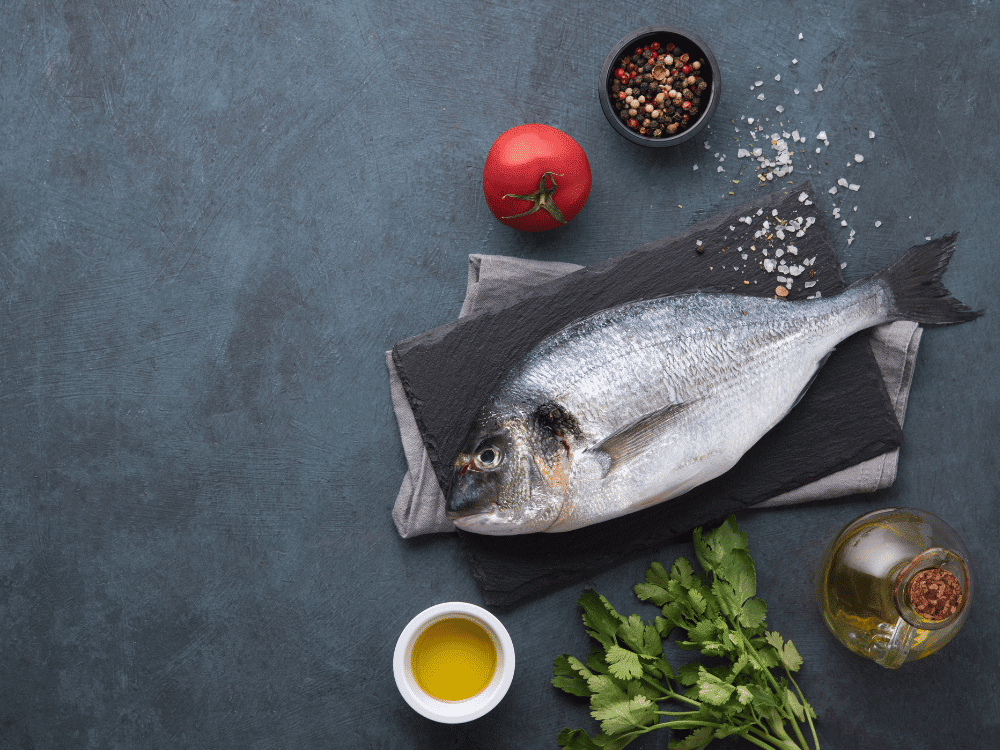
- Fish and seafood – salmon, tuna, sardines, shrimp, mussels, squid, clams and others rich in omega-3 fatty acids.
- Nuts and seeds - almonds, hazelnuts, walnuts, pine nuts, flax seeds, sesame seeds, sunflower seeds, pumpkin seeds.
- Spices and herbs – basil, rosemary, oregano, parsley, mint and others.
- Eggs and dairy products should be consumed in moderation.
Foods to avoid on the Mediterranean diet
- Foods with added sugars - carbonated drinks, candies, ice cream, syrup, pastries
- Processed grains – white bread, pasta, tortilla, chips, crackers
- Trans fats – margarine, fried and processed food
- Refined oils – soybean, canola oil, grape seed oil
- Processed meat – sausages, hot dogs, cured meat products
- Highly processed foods – fast food, ready meals, popcorn
Liquids that we can consume on the Mediterranean diet
- First of all water.
- It is also allowed moderate amount of red wine.
- Coffee and tea, but avoid adding sugar and milk.
- Fruit juice in moderate quantities.
Benefits of the Mediterranean diet
One of the key benefits is definitely weight loss. The Mediterranean diet has proven to be an effective way to lose weight in obese people.
Heart health
Given that this diet is rich in healthy fats, regular consumption of foods such as olive oil, walnuts and fish reduces blood cholesterol levels, blood pressure and various inflammations in the body, which directly affects heart health.
Diabetes prevention
Due to a diet rich in fiber, fruits, vegetables and whole grains, we control blood sugar levels and thus the risk of developing type 2 diabetes is reduced.
Protects brain health
There are several studies that indicate that the Mediterranean diet may be beneficial for brain health and may even help protect against cognitive decline.
Better quality sleep
Some studies have shown a positive effect on the quality of sleep in elderly people who followed the Mediterranean diet.
Examples of menus for the Mediterranean diet
Mediterranean diet menu - example 1
Breakfast - Omelette with vegetables - tomatoes, mushrooms, spinach. Cook in olive oil and with spices of your choice.
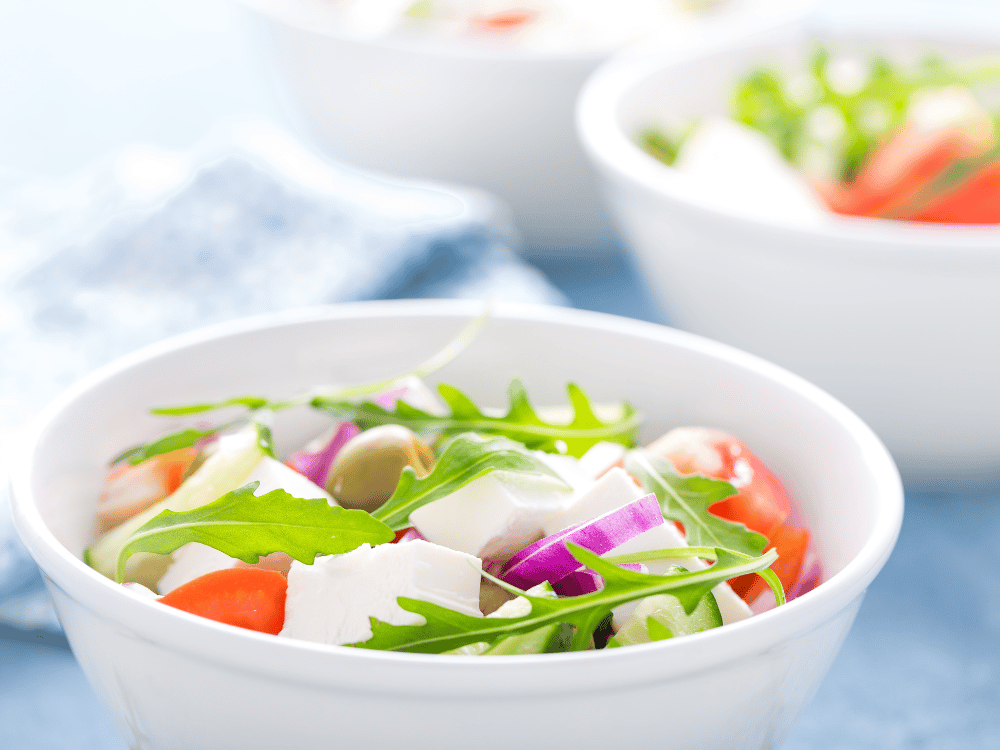
Lunch - Greek salad with cucumbers, tomatoes, olives, feta cheese, olive oil and lemon juice, with the addition of integral bread
Dinner - Baked salmon with spices and lemon dressing, spinach salad, tomato, red onion
Mediterranean diet menu - example 2
Breakfast – Greek yogurt with strawberries and chia seeds
Lunch – Wholemeal bread sandwich with hummus and vegetables
Dinner - Salad with tomatoes, olives, cucumbers, grilled chicken and feta cheese
Mediterranean diet menu - example 3
Breakfast – Oatmeal with blueberries
Lunch - Zucchini noodles with mozzarella, cherry tomatoes, olive oil and balsamic vinegar
Dinner – Mediterranean lasagna
Mediterranean diet menu - example 4
Breakfast – Yoghurt with sliced fruit and nuts
Lunch – Quinoa salad with chickpeas
Dinner – Baked salmon with brown rice and vegetables
Mediterranean diet menu - example 5
Breakfast – Oatmeal with raisins, walnuts and apple slices
Lunch – Zucchini stuffed with pesto, turkey sausage, tomato, pepper and cheese
Dinner - Mediterranean pizza made from wholemeal flour topped with cheese, vegetables and olives
Mediterranean diet menu - example 6
Breakfast - Rye bread, sardines, paprika, paprika, young cheese
Lunch – Vegetable soup, stewed beef, cabbage salad
Dinner – Potato salad, boiled Swiss chard, grilled mushrooms
Mediterranean diet menu - example 7
Breakfast - Integral bread, yogurt, turkey breast, fresh paprika
Lunch – Vegetable soup, boiled potatoes, boiled hake, chard salad
Dinner - Integral bread, boiled egg, lean cheese, cucumber
Snack ideas on the Mediterranean diet
- A handful of walnuts
- A piece of fruit
- Mini carrots with hummus
- Mixed berries
- Grapes
- Greek yogurt
- Boiled egg with salt and pepper
- Apple slices with almond butter
- Banana with peanut butter
- Peppers with guacamole sauce
- Cheese with fresh fruit
- Whose pudding?
How to follow the Mediterranean diet in a restaurant?
Most restaurants actually have a selection of dishes that are suitable for those following a Mediterranean diet. If you can't decide, these tips will be useful:
- For the main course, you should choose a dish that contains fish or seafood
- Ask if and for which dish olive oil is used for preparation
- Eat bread only if it is made from whole grains
- Instead of margarine or cream cheese, use olive oil as a spread
Recipes from the Mediterranean menu
Briam
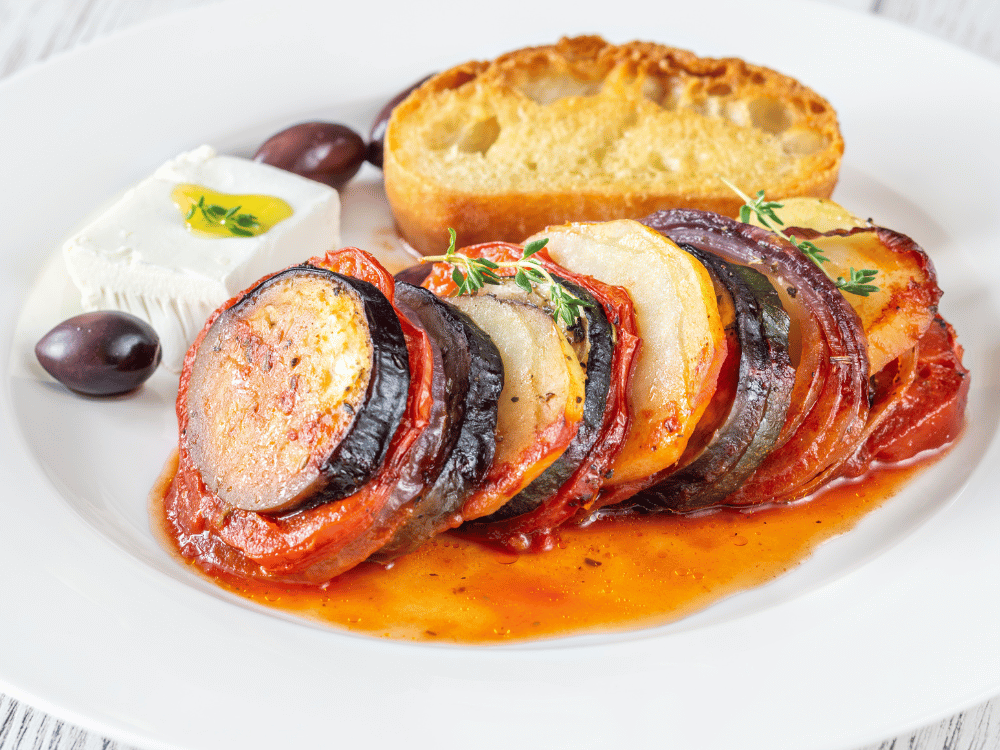
Briam is a Greek dish that is still often found on the menu of Greek families. It consists of various vegetables (tomato, zucchini, eggplant, pepper, onion) baked in the oven. It is prepared with olive oil.
Ingredients for 3-6 people:
- 2 large potatoes, peeled and cut into thin slices
- 1 large zucchini cut into thin slices
- 1 large onion, cut into medium pieces
- 2 small blue aubergines cut into thin slices
- 1 large bell pepper cut into large pieces
- 2 medium tomatoes
- 100 ml olive oil
- 20 ml of water
- 50 ml of fresh tomato juice
- Salt (preferably sea), pepper, parsley
Preparation:
Turn on the oven at 200 degrees
Arrange the sliced tomatoes in a large baking dish, season with salt and pepper, then arrange the potatoes and zucchini. These three types of vegetables require a little more time to cook, so they should be placed at the bottom. Season with salt and pepper, then add half of the onion and sliced eggplant. Season with salt and pepper, add chopped bell pepper, parsley and the rest of the onion. Add olive oil, water and fresh tomato juice. At the end, stir, but so that the sequence of vegetables is not disturbed, add salt and pepper.
Put it in the oven and stir it every half hour. Briam will be ready after 2 hours, when the vegetables should be soft.
Serve warm. Sprinkle with parsley.
Fakes (Greek Style Lentils)
Ingredients for 2 people:
- 120 grams of lentils
- 1 finely chopped onion
- 1 finely chopped carrot
- 1 clove of garlic
- 1 teaspoon oregano
- 3 bay leaves
- 400 ml of water
- 50 ml of fresh tomato juice
- parsley, salt, pepper
- olive oil
- tablespoon of vinegar
Preparation:
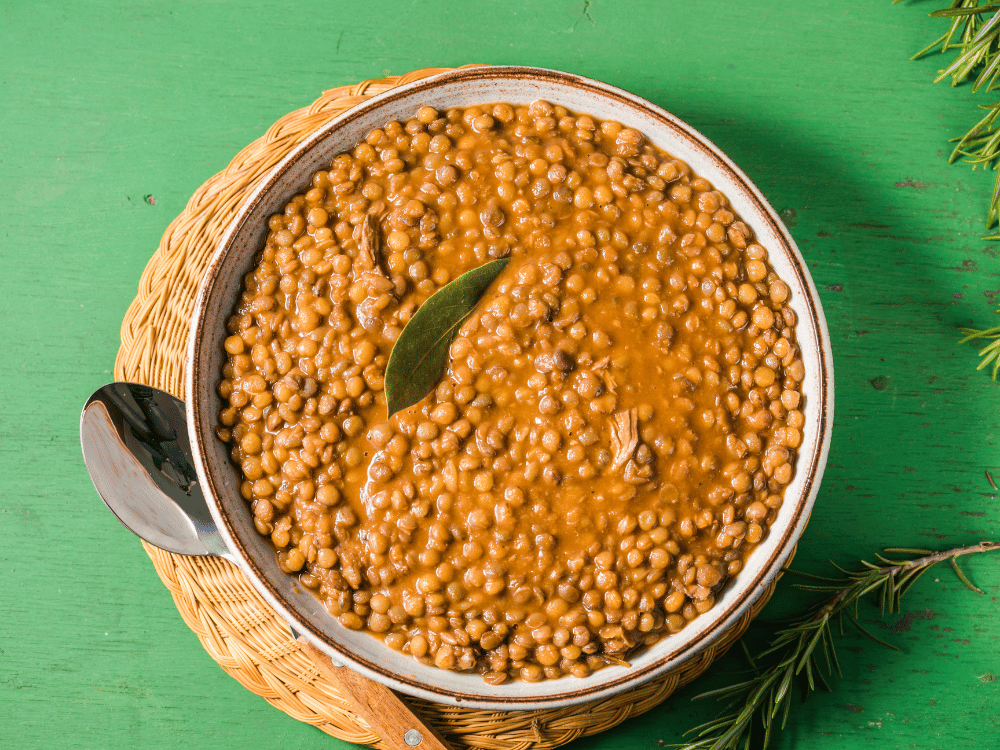
Pour olive oil into a large pan so that it covers the bottom. Fry the onion, then add the carrot and garlic. Add the lentils and mix well. Add water, fresh tomato juice, bay leaf, oregano and spices to this mixture.
Let it cook at medium temperature for 30-40 minutes
Finally, add a spoonful of vinegar
Serve warm.
The advantage of this lentil soup is that it can be adapted to any taste. Those who like it a little more spicy can add some hot pepper. Apart from being the main dish, many people also use it as a side dish with potatoes or macaroni.
It may seem strange that vinegar is added to this dish, but vinegar gives it a special note that everyone should try.

Pita sandwiches with Greek salad
Ingredients for 10 pies:
- 3 tablespoons olive oil
- 1 tablespoon vinegar
- 1 large tomato or 10 cherry tomatoes
- 1 cucumber
- 1 green pepper
- ½ onion
- 3 radishes
- 250 g feta cheese
- parsley
- 10 whole-grain Greek pies (whole-grain muffins or kaisers can be substituted)
Preparation:
Pour olive oil and vinegar into a large bowl, add salt and pepper and make salad dressing. Add chopped tomato, cucumber, pepper, onion, zucchini and parsley.
Mix all the ingredients well with your hands, then add the feta cheese.
Cover the salad bowl and leave it in the refrigerator. It is best if the mixture is prepared several hours in advance.
Take the salad out of the fridge and carefully place it on the pie (buns or kaisers cut in half).
Serve immediately.
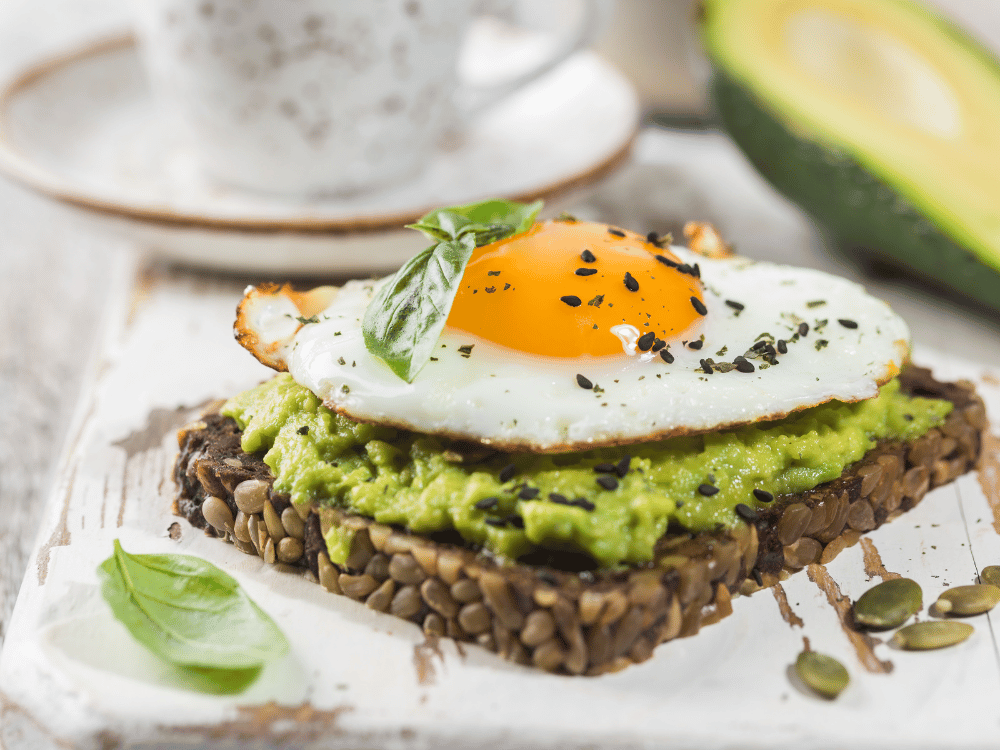
Avocado toast
Ingredients:
- 2 small avocados, peeled and cleaned
- 80 g feta cheese
- 2 tablespoons chopped fresh mint
- juice of one fresh lemon
- 4 slices of whole grain bread or toast
Preparation:
Place the avocado in a medium-sized bowl and mash it with a fork. Add finely chopped mint, lemon juice and mix until all ingredients are combined.
If desired, add sea salt and finely chopped paprika.
Divide the mixture into 4 parts and coat all 4 pieces of bread with it. Sprinkle with feta cheese.
Mediterranean diet: Yes or no?
The Mediterranean diet has many benefits. It includes a wide range of foods, is affordable, tasty and helps when it comes to permanent weight loss.
The Mediterranean diet is definitely one of the less restrictive diets and therefore we can recommend it to almost everyone.
If you follow this way of eating, your body will be healthy and vital. You will manage to get rid of extra pounds without much sacrifice in your diet, and you will definitely find some of your favorite foods on the list.






 English