
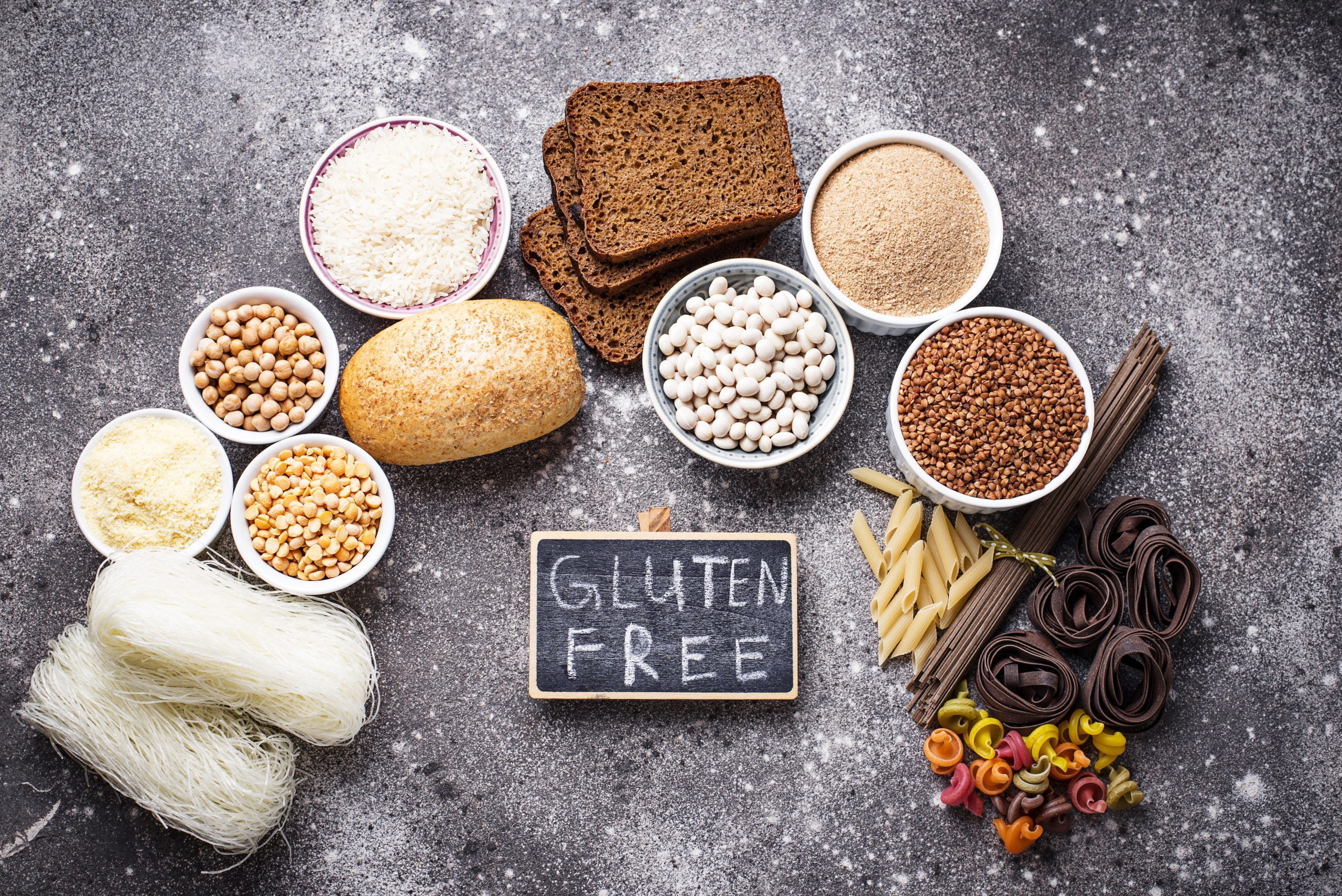
A gluten-free diet is recommended for all those who have celiac disease or are intolerant to gluten. How to recognize this?
Today is gluten intolerance quite a common problem. Its most severe form is celiac disease, an autoimmune disease that affects a very small percentage of people and can lead to serious digestive problems.
However, some people may have a simple sensitivity to gluten, as a milder form of intolerance that can still cause problems. In both cases, different symptoms appear, many of which may not have anything to do with digestion.
Symptoms of gluten intolerance
- Bloating after eating is one of the most common signs in people who are gluten intolerant.
- Regular diarrhea or constipation – more than 50% people sensitive to gluten have diarrhea.
- Abdominal pain after a meal containing gluten – although there can be a multitude of causes, even over 83% people who are hypersensitive to gluten experience this.
- Headache and constant feeling of tiredness of an unexplained nature, often immediately after a meal.
- Anxiety and depression, since research has shown that people with gluten intolerance are more prone to these conditions.

What foods should be avoided?
Gluten is a protein found in wheat and other grains. It can be found in cakes, biscuits, pasta, various sauces, soups, products containing semolina, couscous, frozen and canned food.
Safe foods are fruits, vegetables, meat, fish, beans, lentils, peas, rice, quinoa, potatoes, corn, oat products where it is emphasized that they are gluten-free.
It is very important to read product declarations, as many contain traces of gluten.
What to eat on a gluten-free diet?
There are special gluten-free food products on the market, marked either with a crossed-out wheat class symbol, or with the inscription "gluten-free". If the product has this sign, it is certified and completely safe for people intolerant to gluten.

List of products suitable for a gluten-free diet
Cereals
- Rice
- Buckwheat
- Millet
- Soybean
- Quinoa
- Amaranth
- Carob
- Tapioca
- Corn
Fruit
All fresh fruit is allowed, only dried and candied fruit should be paid attention to, especially dried figs.
Nuts are also allowed.
Milk and dairy products
- Milk
- Yogurt
- Sour cream
- Cheese
Caution with processed cheeses, milk drinks, puddings, creams and fruit yogurts.
Meat, fish, eggs
All kinds of fresh meat, fish and eggs.
Pay attention to meat products and canned food.
Sugar and sweets
All types of sugar, honey and jam are allowed.
Caution with powdered sugar, chocolate, candies, cocoa, ice cream, chewing gum!
Fats, spices, baking additives
All oils, butter, lard, salt, pepper, raw spices are allowed.
Pay attention to powdered spices, yeast, baking powder, vinegar! Starch (usually wheat) is usually added to powdered foods to prevent caking!
Drinks
Natural fruit juices, lemonade, herbal teas and coffee beans are the safest.
Caution with alcoholic beverages, especially beer, coffee with additives and coffee substitutes, frappe mixes!
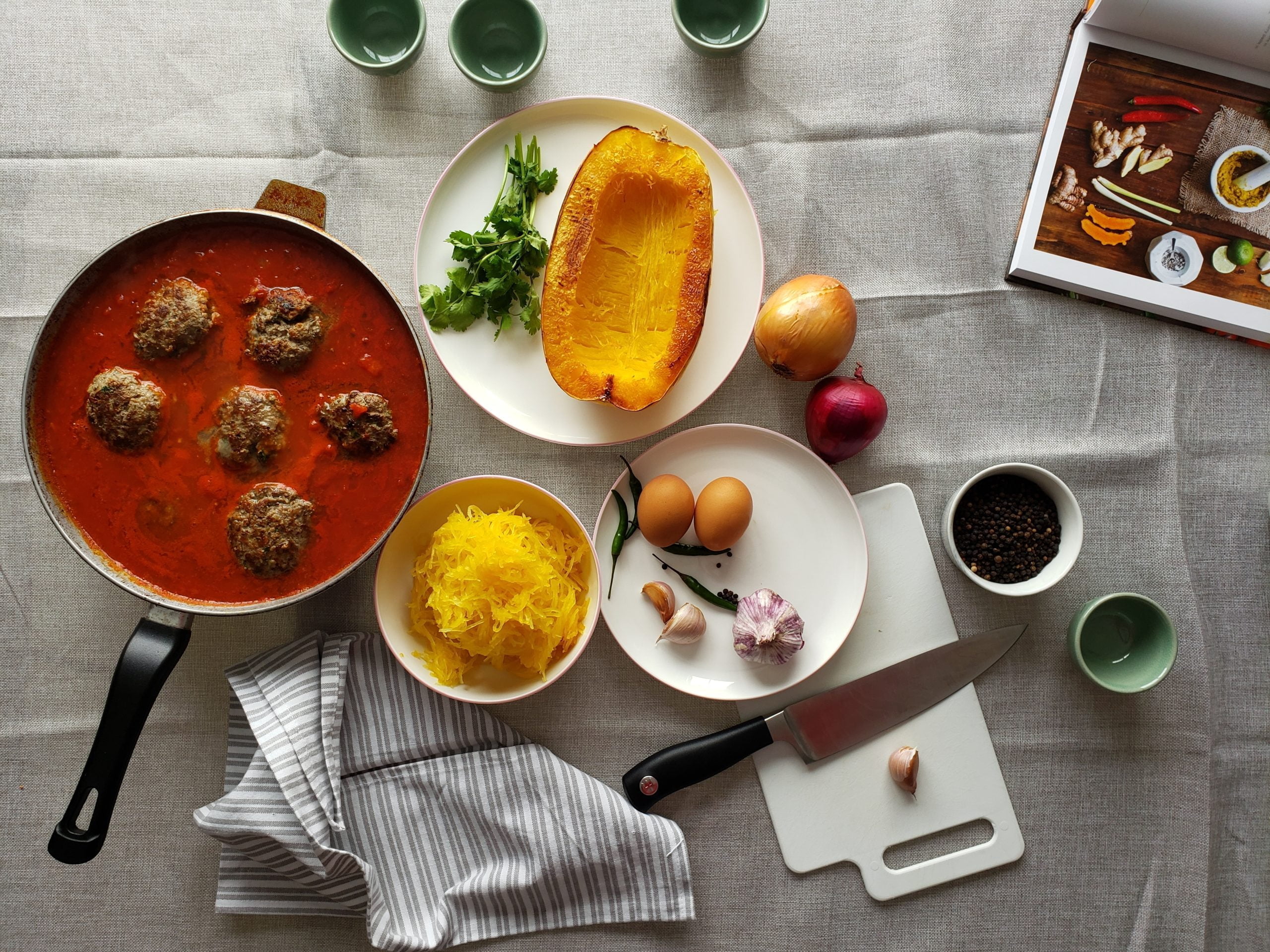
Sample menu for weight loss with a gluten-free diet
Example 1:
Breakfast: Gluten-free bun and cream cheese, natural juice, fresh blueberries.
Lunch: Lentil soup, flourless crackers, spinach salad, milk.
Dinner: Gluten-free smoked salmon, unseasoned brown rice, milk.
Snack: Celery sticks with peanut butter, fresh fruit.
Example 2:
Breakfast: Gluten-free biscuit with syrup, thinly sliced bacon, buckwheat honey, hot tea (non-spiced).
Lunch: Gluten free vegetarian pizza, bowl of fresh mixed fruit with nuts, milk.
Dinner: Roasted chicken, steamed green beans, baked potatoes with butter, fresh melon, milk.
Snack: Soy yogurt, whole grain breadcrumbs with buckwheat and millet.
Example 3:
Breakfast: Tea rings with buckwheat, fresh strawberries, Pressno juice of pomegranates and mandarins.
Lunch: Bean burrito in a corn tortilla, brown rice, papaya, milk.
Dinner: Gluten-free baked fish, buckwheat and millet pasta with cheese, steamed broccoli, plums, milk.
Snack: Nuts, chia and quinoa rice cakes and cheese pieces.
This diet has proven to be excellent for cleansing the body even in completely healthy people, and also when it comes to weight loss with an average of 1-1.5 kg per 4 days. There are many cases where there was no gluten intolerance, but with this diet, significant health improvement and weight loss were felt.
It's not bad to try this diet for a few days, monitor the results, and then, based on them and your feelings, make your own diet plan that can include a partial intake of foods with gluten.
A gluten-free diet may be beneficial for some people, but it is not always necessary for health. If you're planning to avoid gluten, it's important to keep in mind that many products labeled as "gluten-free" may be full of sugar, fat, and other unhealthy additives. Therefore, it is important to follow a healthy diet that includes a varied diet of fruits, vegetables, grains and proteins.




 English